The Silent Warning
Occasional tingling or pins-and-needles, usually in the toes. Comes and goes. Most people ignore it, blame tight shoes or "sleeping wrong."
Damage Level: 25%
A growing area of research is exploring how a buildup forming around damaged nerves may relate to worsening burning and numbness symptoms — and a simple morning routine designed to support nerve health.
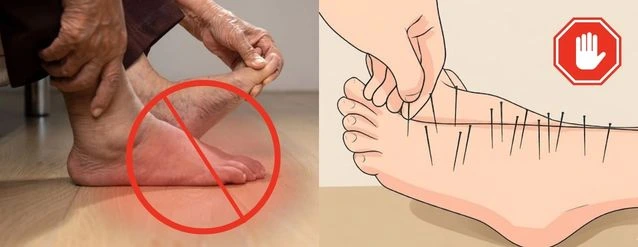
Taking the pills, wearing the special shoes, rubbing on the creams… and still the burning in your toes can spread further up your feet over time. The burning wakes you up at night. Your hands drop things they never used to drop. This is the quiet nightmare millions of Americans face — and most are told the same three things: it's just aging, it's poor circulation, it's your diabetes.
What researchers are now finding tells a different story.
For decades, people were told neuropathy was something to be managed, slowed down at best, lived with at worst — and that recovery wasn't really part of the conversation.
But what many clinicians are only now starting to recognize is this: the underlying cause may not be your age, your blood sugar, or your circulation. It's something else. Something silently corroding the protective coating around your nerves, stripping them bare — leaving them raw, exposed, and screaming.
Recent research has pointed to a specific buildup forming around damaged nerves. A thick, toxic coating. Some researchers have started calling it sticky plaque — and when it accumulates, the nerves stop transmitting normal signals. That's when the tingling turns to burning. The burning turns to numbness. The numbness starts spreading.
And here's what most treatment plans overlook: conventional painkillers, creams, and nerve medications don't touch this buildup. They only quiet the alarm while the fire spreads underneath.
That's why so many Americans are now turning to what's being called the Morning Nerve Routine — a simple method designed to support the body around the sticky plaque, instead of just masking what's happening underneath.
Each stage tends to be harder to address than the one before…
Occasional tingling or pins-and-needles, usually in the toes. Comes and goes. Most people ignore it, blame tight shoes or "sleeping wrong."
Numbness becomes regular. Starts spreading from toes to feet, sometimes reaching the ankles. Burning at night. Dropping small objects. Balance feels slightly off on stairs.
Pain disrupts sleep most nights. Fear of falling in the shower. Avoiding walks, avoiding stairs. Doctors prescribe stronger medications — and those bring their own side effects: brain fog, drowsiness, difficulty concentrating. The symptoms get masked, but the underlying nerve damage keeps advancing.
Persistent numbness. Skin changes. Slow-healing wounds. Mobility and quality of life become significantly affected. Care at this stage tends to be more complex.

The tingling that starts in the toes doesn't always stay there. It can move to the feet. Then sometimes the calves. Then balance. Then daily mobility. The earlier symptoms are addressed, the more options people typically have for support.
It doesn't have to go that way.
Thousands of Americans are exploring the morning routine featured in this report. The routine is simple. The ingredients are common. And the full discussion is still available to watch, for now.